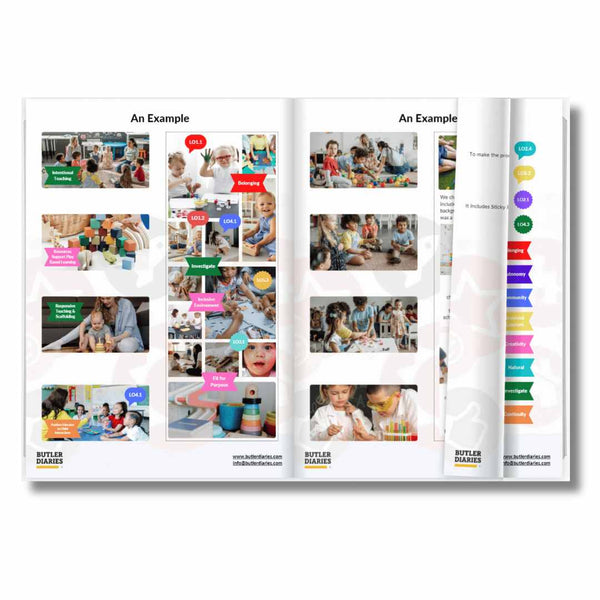

Learning Environments and Experiences: Are you Being Intentional?
A growing concern across the sector is when an experience or environment is described as “EYLF-aligned” simply because it looks appealing, without any clear learning intention behind it. An experience can be engaging and aesthetically pleasing and still lack intentional teaching. The EYLF is clear about intention in learning environments and experiences...

Moving Beyond “Pretty” to Purposeful in Early Childhood Education and Care
Walk into any Early Childhood Education and Care setting and you’ll likely see thoughtfully styled spaces — natural materials, neutral tones, carefully arranged provocations. These environments can be beautiful.
But a growing concern across the sector is this:
when an experience or environment is described as “EYLF-aligned” simply because it looks appealing, without any clear learning intention behind it.
An experience can be engaging and aesthetically pleasing and still lack intentional teaching.
The EYLF is clear — learning environments and experiences are not about presentation alone. They are about purpose, responsiveness, and informed professional decision-making.
This article is both a guide and a reflection on how to show learning intention clearly and confidently — using the documentation you are already completing, particularly within the Weekly Programming and Reflection Diary.
No extra forms.
No duplicate paperwork.
Just clearer thinking made visible.
What the EYLF Says About Intentional Teaching in Learning Environments
The EYLF positions intentional teaching as a deliberate, purposeful, and thoughtful approach to decisions about children’s learning.
Intentionality shows up when educators:
-
make informed choices about environments and experiences
-
respond to children’s interests and development
-
extend learning rather than simply present materials
-
reflect on why something is offered, not just what is offered
Here are tips for reflecting on your intentional teaching.
Learning environments are not static backdrops. They are active teaching tools.
An intentional environment:
-
invites specific types of thinking, interaction, or skill development
-
is adjusted based on observation and reflection
-
supports learning outcomes, not just engagement

The Difference Between “Pretty” and Intentional
A common trap is assuming that if children engage with an experience, learning intention must be present.
But intention is not proven by:
-
aesthetic appeal
-
social media-ready setups
-
general statements like “supports EYLF outcomes”
Intention is shown through educator decision-making.
For example:
Not intentional (yet):
“Loose parts table set up for exploration.”
Intentional:
“Loose parts table intentionally arranged to support problem-solving, spatial awareness, and collaborative decision-making, responding to children’s recent interest in building and balancing.”
The experience may look the same — the intention does not.
Showing Intention Without Extra Documentation
This is where many educators feel the pressure:
“I understand intention — but how do I show it without writing more?”
The answer is not more documentation.
It is better use of existing documentation spaces.
1. Showing Intention in the Weekly Program
Your weekly program in your Weekly Programming and Reflection Diary is the first place intention can be made visible.
Instead of listing experiences as activities, frame them as learning opportunities:
-
What capability, concept, or disposition is being supported?
-
What prompted this experience — observation, interest, challenge, or goal?
-
What might be extended or adjusted during the week?
You do not need long explanations. One intentional sentence is enough. Or the use of codes can help show the intention behind the experience and where it came from.
This shows assessors that learning experiences are planned with purpose, not just displayed.

2. Using Environment and Resource Boxes on the Reflection Spread
The reflection spread of the Weekly Programming and Reflection Diary.is often under-used — especially the environment and resources sections with educators thinking it is not necessary.
However, these spaces are ideal for capturing the intention behind experiences and environments, showing your critical reflection, adjustments, and learning intention.
Use these boxes to reflect on:
-
how the environment supported (or limited) learning
-
what children did with the resources
-
what educator decisions mattered most
For example:
-
“Positioning the art materials at child height supported independent decision-making.”
-
“Reducing the number of resources encouraged deeper engagement rather than surface play.”
-
“Adding real tools shifted play from imitation to sustained problem-solving.”
This is intentional teaching made visible — without additional paperwork.
3. Reflecting on Educator Decisions, Not Just Children’s Actions
A key shift from “pretty” to purposeful documentation is this:
reflection is not only about what children did — it is about what educators did.
Intentional reflection might include:
-
why a resource was introduced or removed
-
how an environment was adapted mid-week
-
what you noticed about children’s learning that informed your next step
This aligns directly with the EYLF’s emphasis on professional judgement and reflective practice.

Intentional Environments Are Responsive, Not Fixed
Intentional learning environments are not set once and left unchanged.
They evolve based on:
-
children’s responses
-
emerging interests
-
observed challenges
-
reflection on effectiveness
Documenting these shifts — even briefly — demonstrates that learning environments are actively shaped, not staged.
A short reflective note is often more powerful than a perfectly styled photo.
A Reflective Question for Educators
When setting up or documenting an experience, ask:
If someone removed the visual appeal, would the learning intention still be clear?
If the answer is no, the intention may need to be named more explicitly — in the program, in reflection, or in how the environment is described.
Making Intention Visible Is Professional Practice
Intentional learning environments are not about doing more.
They are about thinking clearly and documenting honestly.
By using:
-
your weekly program to show purpose
-
your reflection spread to capture decisions
-
environment and resource boxes to explain why, not just what
you are already meeting EYLF expectations around intentional teaching — without increasing workload.
Beautiful environments can invite learning.
Intentional environments make learning visible.
Related Articles