
Moreton Bay Chestnut: our 2027 QLD Kindy Diary cover, and 3 ways to explore it with children
Meet Castanospermum australe, the Moreton Bay chestnut behind the cover colour of our 2027 QLD Kindy Weekly Programming and Reflection Diary, plus three QKLG-linked nature-play ideas.

Each of our 2027 cover colours is named after an Australian native plant. The QLD Kindy Programming Diary wears Moreton Bay Chestnut, and here is a little about it, plus three easy ways to explore it with your children.
Meet the Moreton Bay Chestnut
Castanospermum australe, also called the black bean tree, grows along Queensland's coastal rainforests and riverbanks. Its orange-red pea flowers sprout straight from the branches, and its huge pods hold big, glossy seeds that float away down rivers to find new homes.
One thing to know and to teach: the seeds are poisonous raw. Aboriginal peoples of the east coast developed sophisticated soaking and roasting knowledge over thousands of years to prepare them safely, a story of science and patience worth telling. For kindy purposes, pods and seeds are for looking, collecting and wondering, never tasting.
We chose it for the QLD Kindy diary because this tree is Queensland through and through, right down to the name.

Bring it into your program
Three simple experiences, each linked to the QKLG so you can drop them straight into your planning.
1. The pod inspection desk
Set up magnifiers, scales and rulers next to a collection of large seed pods (wash hands afterwards, and remember: look, do not taste). Which pod is heaviest? Longest? How many seeds might be inside?
QKLG: Active learning (children build positive dispositions toward investigation).
2. Stories from Country
The black bean story is a beautiful invitation to connect with local Aboriginal and Torres Strait Islander knowledge holders about bush foods and how knowledge is passed down. Approach your local community links and let the children hear it first-hand where possible.
QKLG: Connectedness (children build understanding of Aboriginal and Torres Strait Islander perspectives).
3. Float or sink, then float away
Black bean seeds travel by river. Test which classroom objects float, then build rafts for small treasures and race them in the water trough. Where might a floating seed end up?
QKLG: Communicating (children share predictions and narrate discoveries) and Active learning.
Notice and document
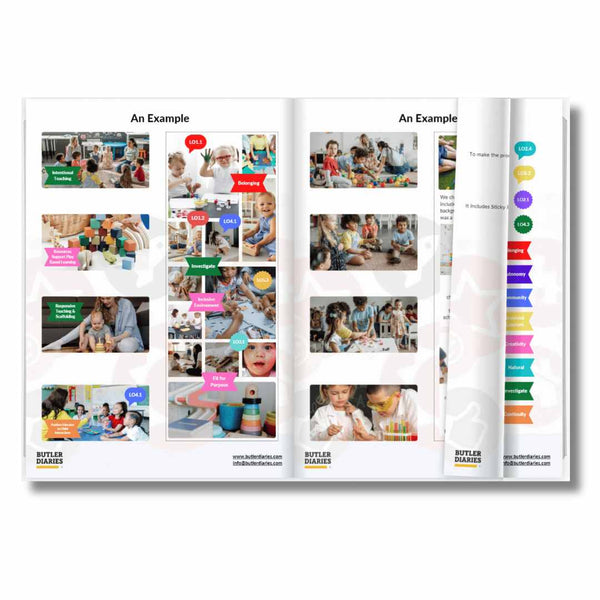
As the children explore, jot down their questions, theories and discoveries in your QLD Kindy Diary, with the QKLG built right in. That is the Butler Method in action, planning from real interest and making the learning visible.
Related Articles