
Butler Buzz
-
How Different Pedagogies Fit Within the Butler Method
The Butler Method isn't a pedagogy and it isn't designed to change yours. It was designed to help you make your pedagogy visible. Learn how different pedagogies fit within the Butler Method.
-
How to Show Learning Over Time (Not Just in One Week)
Are your programs showing weekly snapshots or real learning over time? Learn how to document progression, continuity, and deeper learning using the Butler Method.
-
The Cycle of Planning Doesn’t Have to Be Weekly
Think your program has to reset every week? Learn how to document ongoing learning, progression, and long-term investigations using the Weekly Programming and Reflection Diary.
-
What Intentional Teaching Actually Looks Like (And How to Show It)
Confused about intentional teaching? It’s not a lesson. Learn how to recognise, document, and show intentional teaching in everyday practice using the Weekly Programming and Reflection Diary.
-
Play-Based Learning — Moving Beyond ‘Activities’
Still documenting play as a list of activities? Learn how to capture real learning, children’s voices, and intentional teaching within play using the Weekly Programming and Reflection Diary.
-
Inquiry-Based Learning in Early Childhood Education and Care
Want to better document inquiry-based learning? Learn how to capture children’s questions, investigations, and thinking using the Weekly Programming and Reflection Diary.
-
Montessori-Aligned Planning Using the Butler Method
Trying to document Montessori-inspired practice without losing its intent? Learn how to capture observation-led learning, independence, and progression using the Weekly Programming and Reflection Diary.
-
Reggio Emilia–Inspired Practice and the Weekly Programming and Reflection Diary
Looking to document Reggio Emilia–inspired practice more meaningfully? Learn how to capture children’s theories, thinking, and learning using the Weekly Programming and Reflection Diary.
-
Using the Programming and Reflection Educator Diary Within Slow Pedagogy
Struggling to document slow pedagogy in a weekly program? Learn how to use the Weekly Programming and Reflection Diary to show depth, continuity, and children’s thinking over time.
-
The Butler Method Is Not a Pedagogy — Here’s What It Actually Does
The Butler Method isn’t a pedagogy — it’s a way to make your practice visible. Learn how to move beyond activities and document children’s learning, thinking, and progression in a way that aligns with EYLF v2.0 and the National Quality Standard.
-
2027 Diaries Collection Update: Making Every Page Easier to Access
Your first sneak peek into the 2027 Diaries is here! And it's a guaranteed practical update you'll love!
-
Using the Educational Leader Diary When You’re Only in the Role One or Two Days a Week
Many Educational Leaders don’t work in the role full-time. You might only have one or two dedicated days each week — while also juggling room leadership, ratios, or other responsibilities. Used intentionally, the Educational Leader Diary helps you document professional conversations, plan follow-ups, and build strong Quality Area 7 evidence over time — even with limited leadership hours.
-
Tips for using the Weekly Teacher Planning and Reflection Diary for Primary School Teachers
Tips for using the brand new Weekly Teacher Planning and Reflection Diary
-
Understanding the New Weekly Programming Reflection Diary Layout
Learn what’s changed in the Weekly Programming and Reflection Diary layout, why the update was made, and how it better aligns with the EYLF. Clear guidance on where to record experiences and how to plan holistically.
-
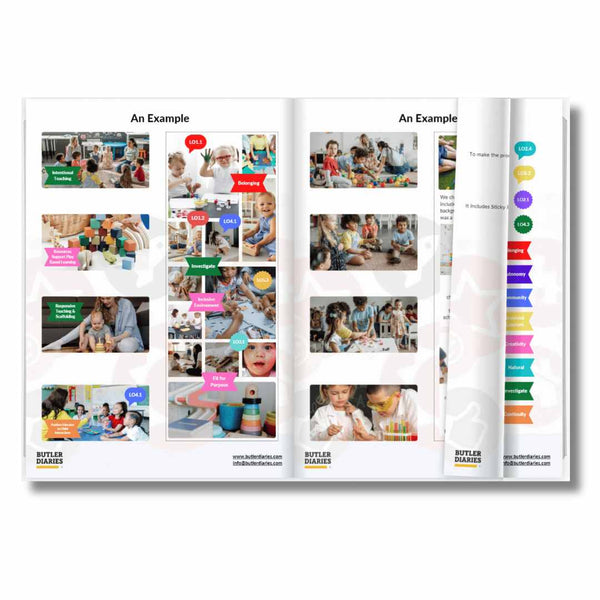
How to Enhance Documentation With Codes
Documentation doesn’t need to be longer to be stronger — it needs to be easier to follow. This practical guide explains how educators can use coding systems (like initials, dates, stickers, colour coding, EYLF learning outcomes and NQS tags) to make the cycle of planning clear, consistent, and easy to evidence. With simple examples for both programming and leadership diaries, you’ll learn how to strengthen compliance and show intentional teaching without increasing workload.
-
How to Do Weekly Programming & Reflection Using the Cycle of Planning (EYLF, MTOP v2.0)
This post breaks down a simple weekly routine based on the Cycle of Planning, and shows how to document it in a way that’s realistic, consistent, and evidence-friendly. It is a practical step-by-step guide for overwhelmed educators who want clarity, consistency, and evidence without over-documenting.
-
What to Include in Each Programming Box (and Why There’s No “Wrong” Box)
“What actually goes in each programming box?” This post breaks down ideas for what to include in each programming box, links them clearly to the EYLF, and — most importantly — explains why the same experience can legitimately sit in different boxes, depending on your purpose.
-
Fun and Sustainable Ways to Reuse Your Butler Diaries Packaging
At Butler Diaries, we’re committed to sustainability — that’s why every box we send has already been reused at least three times. But the journey doesn’t need to end there! Both our cardboard boxes and air pillows can be transformed into exciting, EYLF-linked learning experiences. From building box cities and puppet theatres to turning air pillows into sensory play and STEM experiments, here are creative ways to give your packaging a second life in your service.
-
What to Document in the Culturally Responsive Calendar
Cultural responsiveness isn’t just a buzzword — it’s a foundational practice across EYLF and MTOP v2.0. The Culturally Responsive Year Wall Calendar helps educators embed First Nations perspectives into daily documentation with intention and purpose. This guide shows how to align the calendar with your existing diaries, meet NQS expectations, and make cultural learning visible, respectful, and ongoing.
-
The Multifaceted Role of the Children’s Centre Diary: A Communication Hub and Quality Improvement Tool
How the Children's Centre Diary captures many roles across different teams — one powerful tool to lead, reflect, and stay connected. From Centre Directors to Room Leaders to the whole team, the Diary has become more than a planner. Here’s how different roles in your centre can use the Children's Centre Diary to keep everything — and everyone — on the same page.
-
A Closer Look at the Learning Data/Jottings Reflection Box in Your Programming Diary
It’s easy to record observations and then move quickly onto the next experience. But what truly deepens our practice is what we do with that information. The Learning Data or Jottings space in your diary isn’t just a placeholder for notes—it’s a tool for meaningful reflection, insight, and intentional planning. Used thoughtfully, it becomes the bridge between what was and what could be, allowing you to refine your practice, respond to children’s evolving interests, and ensure every child’s voice is heard.
-
Training Portal Guide and FAQs
The Butler Training Portal has been developed as another avenue of support for our customers. Here's everything you need to know...
-
50 ways to use a notebook as an early childhood educator
Your educator notebook is an absolute ESSENTIAL in ECEC, and now you can enjoy stunning guest artist educator notebooks that match your Educator Diary. Here are 50 ways to use your notebook to help clear your mind and keep you on track.
-
Tips for Using the Monthly Programming and Reflection Spread in the Family Day Care Combined Compliance Checklist and Programming Diary
Tips for Using the Monthly Programming and Reflection Spread in the Family Day Care Combined Compliance Check and Programming Diary
-
Tips for Using our Central Outdoor Weekly Programming and Reflection Diary
Tips for Using our Central Outdoor Weekly Programming and Reflection Diary - Updated 2025
-
How to Use Butler Diaries' Programming Tools for Minimum Documentation but Maximum Compliance
It is easy to identify one of the biggest strains on Early Childhood Educators... Paperwork. With constant updates to frameworks and regulations and no clear, straight forward answer on what needs to be documenting, services often end up over-documenting in order to try to meet their compliance requirements.
-
Does your Programming Diary Support Critical Reflection?
Reflection is a key practice in ECEC, helping educators assess and improve their teaching strategies, interactions, and environments. However, there is a distinct difference between reflection and critical reflection—both are important, but critical reflection goes deeper, prompting meaningful change and professional growth. By using Butler Diaries, educators can structure their reflective practice and ensure they are engaging in ongoing critical reflection. Let’s explore the differences between reflection and critical reflection and how to use your Diary effectively.
-
The Butler Method: Simplifying Programming and Reflection in Early Childhood Education and Care
The Butler Method is a streamlined approach to programming and reflection in ECEC, designed to bring clarity, efficiency, and compliance to the often complex planning cycle. It is a boxed method that values intentional teaching while embracing spontaneous learning moments, seamlessly aligning with Frameworks. By offering a structured yet flexible approach, the Butler Method supports educators in meeting the requirements of NQS while also incorporating the insights of key educational theorists.
-
Understanding the Stages of Social and Emotional Development in Children: A Guide for Early Childhood Educators
Social and emotional development forms the foundation for how children understand themselves, interact with others, and navigate their emotions. In this post, we’ll explore the key stages of social and emotional development, link them to the Early Years Learning Framework (EYLF) and Theorists and provide tips for creating a program that supports this development, with guidance on how to effectively record your efforts. -
How Do I Create a Play-Based Learning Program?
Creating a play-based learning program is not just about facilitating play but harnessing its potential to foster holistic development. In this post, we’ll guide you through creating a play-based learning program and offer tips for recording it effectively.
-
A Peek into the Early Childhood Cook Diary for ECEC with Examples
Here's we take a peek into the Early Childhood Cook Diary to see how it can help cook's and chef's in Early Childhood manage their kitchens and stay on top of compliance. -
A Look into the Children's Centre Diary with Examples
Here's we take a look at the Children's Centre Diary to see how it can be used to streamline your admin and help manage your office. -
A Deep Dive into the Nominated Supervisor Diary with Examples
Here we take a deep dive into the Nominated Supervisor Diary to see how it can be used to improve efficiency, memory and quality improvement in your service.