
Ivory Curl and Austral Bluebell: our 2027 Weekly Programming and Reflection Diary covers, and 3 ways to explore them with children
Meet Buckinghamia celsissima, the ivory curl flower, and Wahlenbergia stricta, the Austral bluebell, behind the cover colours of our 2027 Weekly Programming and Reflection Diary and the special edition, plus three easy EYLF-linked nature-play ideas for each cover to try with your children.

Each of our 2027 cover colours is named after an Australian native plant. The Weekly Programming and Reflection Diary wears Ivory Curl and Austral Bluebell, and here is a little about them, plus three easy ways to explore it with your children.
Meet Ivory Curl
Buckinghamia celsissima, the ivory curl tree, comes from the rainforests of tropical north Queensland and is now planted in streets and parks across the east coast. In summer it covers itself in long, cream flower spikes that curl like ribbons and hum with bees and butterflies for weeks on end.
We chose it for the educator's diary because it rewards patient watching. The spikes unfurl slowly, a little more every day, which is a lovely echo of the cycle of planning this diary makes visible, one week at a time.

Bring it into your program
Three simple experiences, each with a link to the EYLF so you can drop it straight into your planning.
1. Ribbon curls
Show the children a photo of the flower spikes, then let them curl paper strips around pencils and build their own ivory curl tree collage. Talk about which strips curl tightly and which spring loose.
EYLF: Outcome 5 (children are effective communicators, expressing ideas through art) and Outcome 4 (fine-motor experimentation).
2. Bee watch
Find any flowering tree or shrub in your outdoor space and sit quietly with the children for five minutes. Who visits? Count the bees and butterflies, and wonder together about why flowers feed them.
EYLF: Outcome 2 (children are connected with and contribute to their world).
3. Slow-motion flowers
Choose one bud in your garden and photograph it with the children every day for a week. Line the photos up and talk about what changed. Nothing teaches patience and observation like a flower on its own schedule.
EYLF: Outcome 4 (children are confident and involved learners, developing skills of observation and inquiry).
Meet the Austral Bluebell
Wahlenbergia stricta, the tall or Austral bluebell, is one of Australia's most widespread wildflowers, at home in grasslands and open forest in every mainland state. Its sky-blue stars nod on fine wiry stems, closing in dull weather and opening again with the sun.
We chose it for the Special Edition because it is a quiet achiever, small, unfussy and thriving almost everywhere, which sounds a lot like the educators this diary is made for.

Bring it into your program
Three simple experiences, each with a link to the EYLF so you can drop it straight into your planning.
1. Fifty shades of blue
Hunt for every blue you can find outdoors, then come inside and mix paints until you match your favourites. Is the sky the same blue as a bluebell? Children will argue the point, and that is the good part.
EYLF: Outcome 5 (children are effective communicators, experimenting with colour and description).
2. Grow your own bluebells
Native bluebells grow readily from seed in small pots. Give each child a pot to sow, water and watch. Caring for something small and slow builds real responsibility.
EYLF: Outcome 2 (children take responsibility and show respect for living things).
3. Five-petal maths
Bluebells are five-pointed stars. Collect fallen flowers of different kinds and count petals together. Which flowers share the same number? Press the favourites for a counting display.
EYLF: Outcome 4 (children notice patterns) and Outcome 5 (early numeracy).
Notice and document
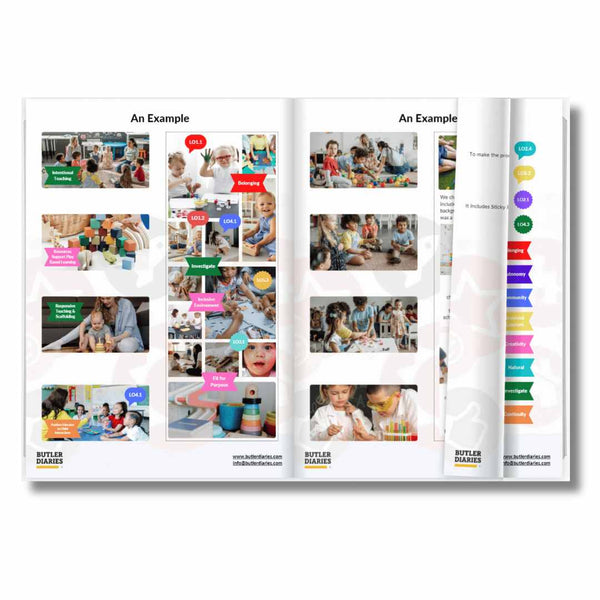
As the children explore, jot down their questions, theories and discoveries in your Weekly Programming and Reflection Diary. That is the Butler Method in action, planning from real interest and making the learning visible.
Related Articles