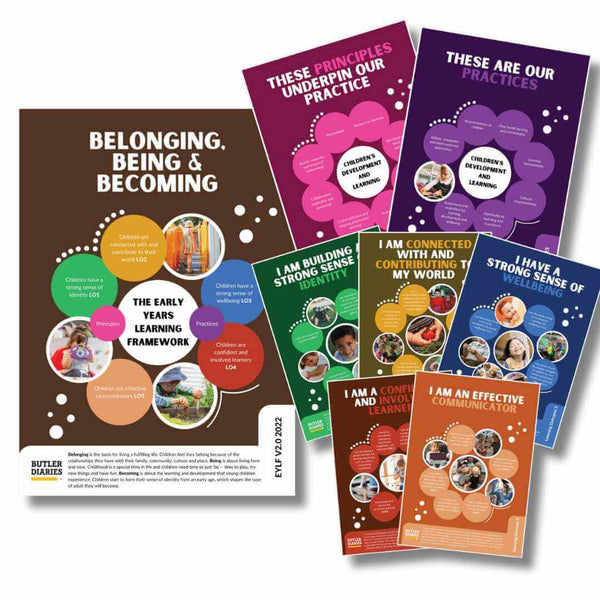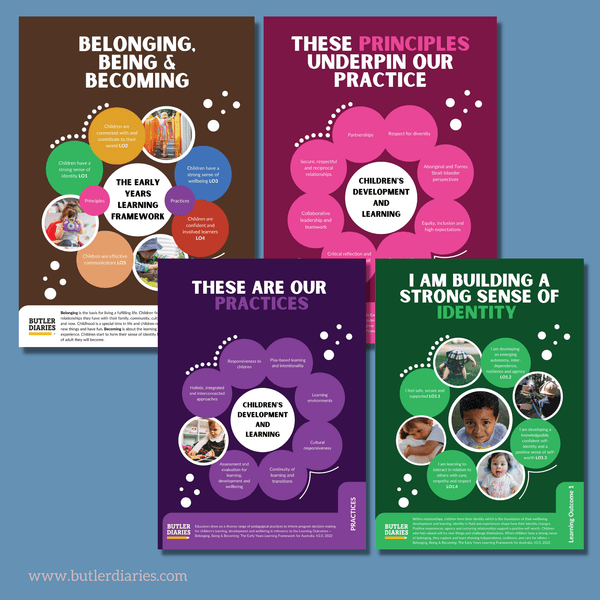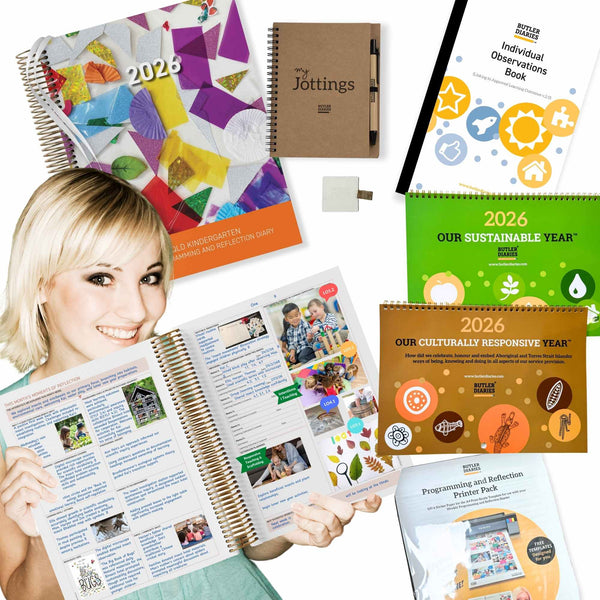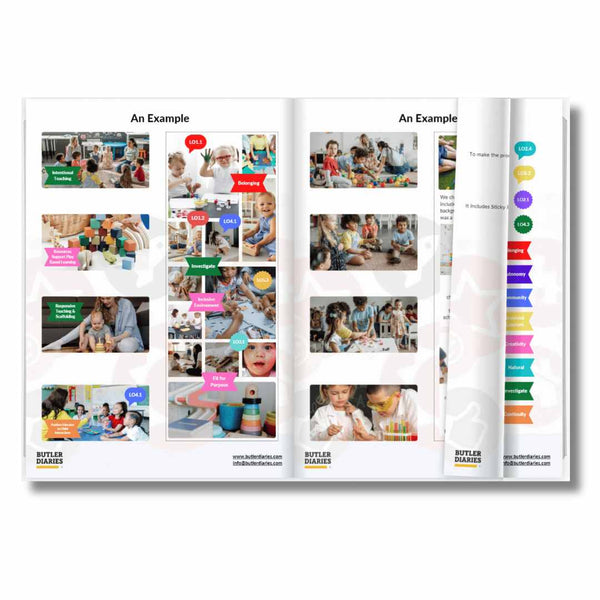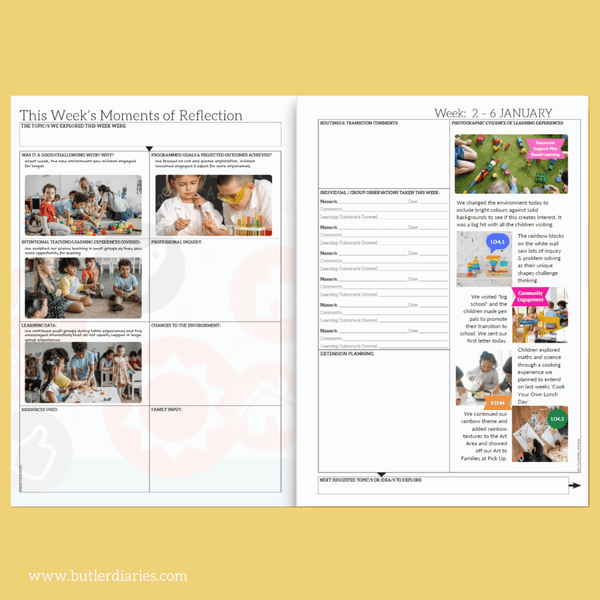


With the release of the Early Years Learning Framework Version 2 (EYLF V2) and My Time Our Place Framework Version 2 (MTOP V2), educators have a powerful tool at their disposal to enhance the learning experiences of young children. In this guide, we delve into the significance of V2 and offer insights into effectively embedding it into practice. We've also included a free download, "Embedding V2 Educator Summary" to support you in your programming, reflections and practice.
Are you looking for a version for the QKLG? Download yours here.
Understanding EYLF and MTOP V2
EYLF and MTOP V2 represents a significant evolution in the framework that guides early childhood education in Australia. Building upon the foundational principles of the original framework, it integrates contemporary research and best practices to better reflect the complexities of modern early childhood education settings. Key updates include a stronger focus on sustainability, cultural responsiveness, and the inclusion of children with additional needs.
Why Embedding EYLF and MTOP V2 Matters
Embedding EYLF and MTOP V2 into everyday practice is more than just a compliance requirement; it is a pathway to providing high-quality early childhood education. By embracing the principles and outcomes outlined in the framework, educators can create environments that foster holistic development, meaningful learning experiences, and positive outcomes for children.

Tips for Embedding EYLF and MTOP V2
-
Familiarise Yourself: Take the time to thoroughly familiarise yourself with the updated framework. Understanding its principles, outcomes, and guiding practices is essential for effective implementation. Our article, Unpacking the New EYLF V2.0 and MTOP V2.0 Frameworks is a great place to start.
-
Reflect on Practice: Reflective practice is key to embedding EYLF and MTOP V2 successfully. Regularly reflect on your teaching methods, interactions with children, and the learning environment to ensure alignment with the framework. Check out our articles on reflection here.
-
Collaborate with Colleagues: Collaboration among educators is invaluable. Work together to brainstorm ideas, share resources, and support each other in implementing EYLF and MTOP V2 effectively.
-
Engage with Families: Families play a crucial role in a child's learning journey. Keep parents and caregivers informed about the principles and goals of EYLF and MTOP V2, and involve them in decision-making processes regarding their child's education. A great way to do this is through out EYLF Posters such as our Agency and Vintage Posters.
-
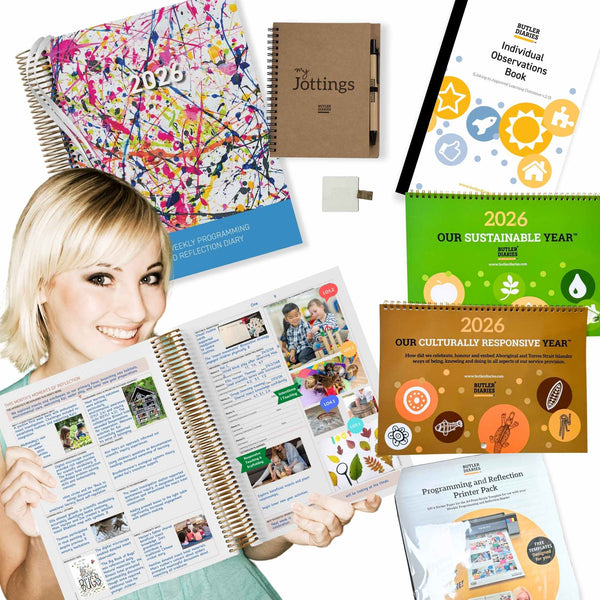
Utilise Resources: Take advantage of the wealth of resources available to support the implementation of EYLF and MTOP V2 (like this one!). From professional development opportunities to online forums and support networks, there are many avenues for learning and growth. You'll also find great articles and other cheat sheets on our blog.

Free Download EYLF and MTOP V2
For educators seeking support embedding EYLF and MTOP V2, a free download of our Embedding V2 Educator Summary is now available. This resource includes a summary of EYLF and MTOP V2 and provides examples of how to foster the learning outcomes, principles and practices.