
Butler Buzz
Resources, how-tos, and sector insights to help you document better, reflect deeper, and thrive in your practice. Our go-to resource for programming support, compliance guidance, and inspiration.

Learning Environments and Experiences: Are you Being Intentional?
A growing concern across the sector is when an experience or environment is described as “EYLF-aligned” simply because it looks appealing, without any clear learning intention behind it. An experience can be engaging and aesthetically pleasing and still lack intentional teaching. The EYLF is clear about intention in learning environments and experiences...

Using the Educational Leader Diary When You're Only in the Role One or Two Days a Week
Many Educational Leaders don’t work in the role full-time. You might only have one or two dedicated days each week — while also juggling room leadership, ratios, or other responsibilities. Used intentionally, the Educational Leader Diary helps you document professional conversations, plan follow-ups, and build strong Quality Area 7 evidence over time — even with limited leadership hours.

7 Printable EYLF Learning Outcome Templates
Printable EYLF learning outcomes resources can be powerful. When tools are designed to be printed and used in real programming — not just read — they help educators move from overthinking to confident action.

Child Development Age Calculator
A tool like the Child Development Age Calculator can offer support by providing a quick way to check typical achievements in areas like physical skills, thinking abilities, and emotional growth. These may be helpful when developing goals for the child.

How to Enhance Documentation With Codes
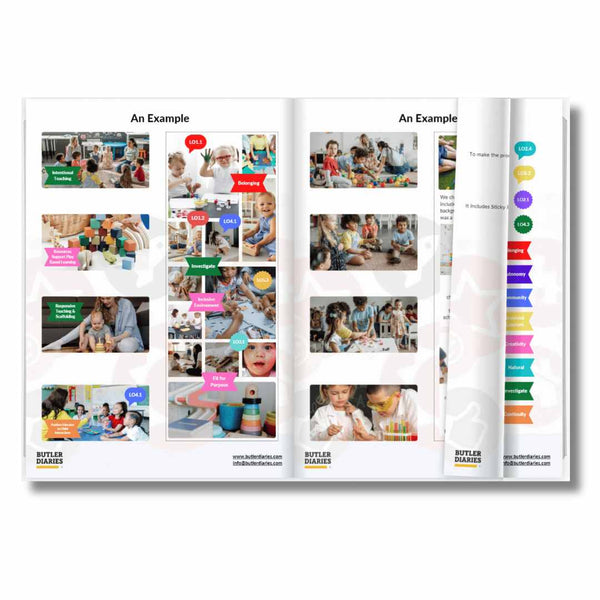
Documentation doesn’t need to be longer to be stronger — it needs to be easier to follow. This practical guide explains how educators can use coding systems (like initials, dates, stickers, colour coding, EYLF learning outcomes and NQS tags) to make the cycle of planning clear, consistent, and easy to evidence. With simple examples for both programming and leadership diaries, you’ll learn how to strengthen compliance and show intentional teaching without increasing workload.

How to Build a Culture of Critical Reflection
Critical reflection isn’t built on motivation — it’s built on structure. In Early Childhood Education and Care, a culture of critical reflection helps educators improve practice, strengthen programming decisions, and create stronger evidence for the NQS. This blog breaks down practical ways to embed reflection into daily routines without adding more workload.

How to show evidence of updated practice for the 2025-2026 NQS changes
For many services, the pressure point won’t be doing the work — it will be proving the work has changed, and that it is not just a policy update sitting in a folder. This is where your Exceeding Guidance Summary becomes a genuine strategic tool: it helps you capture, organise, and clearly communicate how your practice is being reviewed, improved, embedded, and sustained — especially in relation to new expectations around child safety, governance, and leadership.

NQS 2026 Updates and 2025 Policy Guidelines: Downloadable Resources
Learn about the upcoming NQF child safety changes coming into effect in September 2025 and January 2026, and download your NQS 2026 Update Pack, including NQS Summary, Service Leader Checklist, National Model Code Checklist, and Staff Handout.

Support Directories: Finding the Support You Need on Our Website
Finding support shouldn’t be a challenge. Our website brings everything you need into one place—from help using your diary, to professional development, to live assistance when you need a real person. Here’s a simple guide to where you can find support and what’s available to help you stay organised, confident, and connected in your ECEC practice.

7 Ways to Boost Early Childhood Learning and Memory
This article explores seven transformative strategies for enhancing early childhood learning and memory, derived from expert insights on brain development. These strategies align seamlessly with the principles of the Early Years Learning Framework (EYLF) and provide actionable methods for educators seeking to elevate their teaching practices.

Closing a Critical Gap in Child Protection for the ECEC Workforce
Recent changes to legislation in New South Wales have strengthened child protection measures in the early childhood education and care (ECEC) sector. The amendments address a long-standing gap between prohibition notices and the Working With Children Check (WWCC).

Ultimate Guide to Incident Reporting in Childcare
Incident reporting in early childhood is crucial for maintaining safety, meeting legal requirements, and building trust with families. It involves documenting events that impact a child’s health, safety, or wellbeing, such as injuries, medical emergencies, or allegations of abuse. From 1 September 2025, Australian early childhood providers must notify authorities of serious incidents, including abuse allegations, within 24 hours. Non-compliance can result in penalties, loss of subsidies, or service closure.

2026 Diary Sale: How Discounted Diaries Can Help You Prepare for Assessment and Rating
Our 2026 Diary Sale is the perfect chance to catch up and get organised. Use discounted diaries to back fill notes, transfer information, and prepare for Assessment and Rating with clear, professional documentation. Stock is limited – once they’re gone, they’re gone.

5 Meaningful Ways to Say Thank You on Early Childhood Educator Day
Early Childhood Educator Day is the perfect chance to say thank you to the amazing teachers and carers who guide your child’s learning journey. From heartfelt notes and handmade gifts to our beautifully designed Educator Appreciation Gift Card, here are 5 thoughtful ways parents can celebrate and show their appreciation.

Upcoming Child Safety Regulations – What ECEC Services Need to Know by 1 September 2025
From 1 September 2025, ECEC services will face new child safety regulations under the NQF, covering digital technology use, faster abuse reporting, and a vaping ban. This blog breaks down the changes and provides practical steps to get ready. Start now to ensure your service is compliant and confident before the deadline.

A Student’s Guide to Using Butler Diaries while Studying
If you’re studying your Certificate III or Diploma in Early Childhood Education and Care, the right diary and planner can help you stay organised, meet placement requirements, and build professional skills. This guide walks you through the best Butler Diaries products for students, plus tips on how to use them effectively for study, programming, and reflections. Turn your diary into a powerful learning and career tool from day one.

Checklist for Measuring Inclusion in ECE Settings
Ensuring every child feels included is about more than just physical presence - it's about meaningful participation and equitable opportunities. By using a structured checklist, educators can evaluate how well their environments support all children, regardless of their individual circumstances. Here's what you need to know:

EYLF Compliance: Common Questions Answered
EYLF compliance can feel overwhelming, but it doesn’t have to be. This article breaks down the most frequently asked questions around EYLF V2.0, from what documentation is required to how it links with the National Quality Standard and the seven Quality Areas. It also touches on the upcoming child safety regulations taking effect from 1 September 2025—and what that means for your practice. If you’re unsure about how to demonstrate compliance or want to streamline your reflections and programming, this is a must-read.