
Red Ironbark: our 2027 FDC Combined Diary cover, and 3 ways to explore it with children
Meet Eucalyptus sideroxylon, the red ironbark behind the cover colour of our 2027 FDC Combined Compliance and Programming Diary, plus three easy EYLF-linked nature-play ideas.

Each of our 2027 cover colours is named after an Australian native plant. The FDC Combined Compliance and Programming Diary wears Red Ironbark, and here is a little about it, plus three easy ways to explore it with your children.
Meet the Red Ironbark
Eucalyptus sideroxylon is the gum tree that refuses to shed. Instead of peeling to smooth bark, it keeps its deeply furrowed, nearly black coat for life, and then surprises everyone with soft pink, red or cream blossom that beekeepers prize.
We chose it for the combined diary because it holds two stories in one tree, tough on the outside, sweet in the blossom, just like a book that carries your compliance and your programming together.

Bring it into your program
Three simple experiences, each with a link to the EYLF so you can drop it straight into your planning.
1. Bark rubbings
Tape paper to different trunks and rub with the side of a crayon. Compare the deep valleys of an ironbark with a smooth spotted gum. Which tree made which pattern? Display the rubbings as a bark detective wall.
EYLF: Outcome 4 (children investigate, compare and predict).
2. Who lives in a tree?
Pick one tree in your yard or street and study it like a home. Look for visitors at flower height, insects in the bark cracks, and signs of birds. Draw the tree and everyone who lives there.
EYLF: Outcome 2 (children become aware of the interdependence of living things).
3. Blossom pinks
Ironbark blossom comes in pink, red and cream. Mix red and white paint to create every pink you can, then order them from palest to deepest and give each one a name.
EYLF: Outcome 5 (children experiment with colour, naming and description).
Notice and document
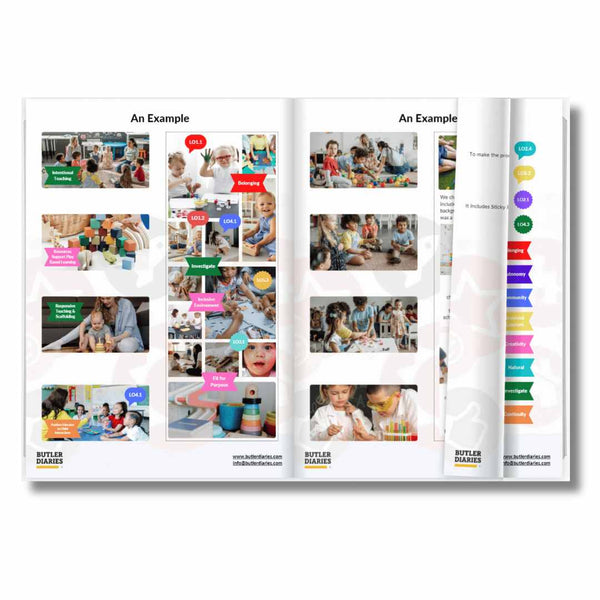
As the children explore, jot down their questions, theories and discoveries in the programming pages of your FDC Combined Diary. That is the Butler Method in action, planning from real interest and making the learning visible.
Related Articles