
Butler Buzz
Resources, how-tos, and sector insights to help you document better, reflect deeper, and thrive in your practice. Our go-to resource for programming support, compliance guidance, and inspiration.

Digital vs Paper Planners: Which Works Better?
When it comes to planning, early childhood educators in Australia face a tough choice: digital or paper planners. Both have pros and cons, and the right option depends on your workflow, compliance needs, and personal preferences. Here's a quick breakdown...

The Multifaceted Role of the Children’s Centre Diary: A Communication Hub and Quality Improvement Tool
How the Children's Centre Diary captures many roles across different teams — one powerful tool to lead, reflect, and stay connected. From Centre Directors to Room Leaders to the whole team, the Diary has become more than a planner. Here’s how different roles in your centre can use the Children's Centre Diary to keep everything — and everyone — on the same page.

How to Create Effective Daily Reflection Journals
Daily reflection journals help early childhood educators in Australia evaluate their teaching methods, track children's progress, and meet compliance standards like the EYLF and NQS. They improve teaching quality, support professional growth, and strengthen family-educator connections. Here's how you can start...

5 Essential Planning Tools for Early Childhood Educators
Planning in Early Childhood Education doesn’t have to feel like a juggling act. This article explores five essential tools that help educators stay organised, meet compliance, and reclaim their time. From visual diaries to digital templates and wall calendars, each tool is designed to simplify your workflow while supporting meaningful, child-led learning.

Comparing MTOP and EYLF Programming Requirements
Both EYLF V2.0 and MTOP V2.0 aim to support children’s learning and development—but they do so in ways that reflect the unique needs of different age groups. While EYLF focuses on play-based learning for children aged birth to five, MTOP is designed for school-aged children and highlights autonomy, peer relationships, and leisure. Understanding the similarities and differences between these frameworks helps educators tailor their programming, meet compliance requirements, and better support the children in their care.

NAIDOC Week and Beyond
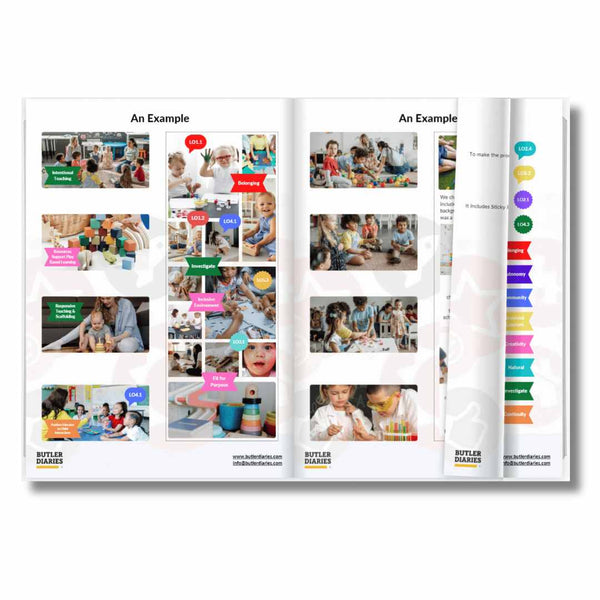
NAIDOC Week is a significant event in Australia that celebrates the history, culture, and achievements of Aboriginal and Torres Strait Islander peoples. For educators in early childhood education, this annual observance offers a valuable opportunity to engage young children in learning about Indigenous cultures, fostering respect, and promoting reconciliation. In this article, we explore NAIDOC Week using a EYLF lens and provide program suggestions and examples. Download your Free Programming Spread Example here.

Documenting Developmental Milestones and Interests in Early Childhood Education
In this article, we explore why documenting both developmental progress and interests matters, and share practical, real-world strategies for collecting and recording this vital information.

How to Collect Child Input in Early Childhood Education and Care
How do we gather this input consistently, especially in the hustle and bustle of a busy early learning environment? Here are practical examples of how to collect child input, with purposeful use of tools.

A Closer Look at the Learning Data/Jottings Reflection Box in Your Programming Diary
It’s easy to record observations and then move quickly onto the next experience. But what truly deepens our practice is what we do with that information. The Learning Data or Jottings space in your diary isn’t just a placeholder for notes—it’s a tool for meaningful reflection, insight, and intentional planning. Used thoughtfully, it becomes the bridge between what was and what could be, allowing you to refine your practice, respond to children’s evolving interests, and ensure every child’s voice is heard.

Training Portal Guide and FAQs
The Butler Training Portal has been developed as another avenue of support for our customers. Here's everything you need to know...

50 ways to use a notebook as an early childhood educator
Your educator notebook is an absolute ESSENTIAL in ECEC, and now you can enjoy stunning guest artist educator notebooks that match your Educator Diary. Here are 50 ways to use your notebook to help clear your mind and keep you on track.

Tips for Using the Monthly Programming and Reflection Spread in the Family Day Care Combined Compliance Checklist and Programming Diary
Tips for Using the Monthly Programming and Reflection Spread in the Family Day Care Combined Compliance Check and Programming Diary

Tips for Using our Central Outdoor Weekly Programming and Reflection Diary
Tips for Using our Central Outdoor Weekly Programming and Reflection Diary - Updated 2025

From Frustration to Flow: Managing Challenging Behaviours with Connection
Every educator in Early Childhood Education and Care has experienced moments of frustration when dealing with challenging behaviours. Whether it’s frequent meltdowns, defiance, or disruption, these moments can derail your day—and your documentation. But challenging behaviours are more than just difficult moments; they’re opportunities to connect, understand, and support emotional development.

What If They’re Not Interested? Supporting Children’s Voice in Planning
One of the core principles of Early Childhood Education and Care is listening to and responding to children’s voices. But what happens when those voices aren’t clear—or when children seem disengaged, disinterested, or just not giving you anything to go on? This is a common challenge for educators, especially when trying to create meaningful, child-led programs that reflect the EYLF v.2.0’s emphasis on agency and identity. Here’s how to support and capture children’s voices—even when they’re quiet.

EYLF v.2.0: 5 Small Changes That Make a Big Difference
The good news? You don’t need to overhaul your programming to align with the updated framework. These five small changes can have a big impact—both in compliance and, more importantly, in the quality of learning experiences for children.

What Does Cultural Responsiveness Actually Look Like in Practice?
Cultural responsiveness is more than a buzzword in Early Childhood Education and Care; it’s a core principle under EYLF v.2.0. While many educators understand the importance of celebrating diversity, the practical application often feels vague or tokenistic. So, what does it really mean to be culturally responsive?

Embracing the 7 Rs of Sustainability in Early Childhood Settings
Sustainability in early childhood education isn't just about recycling—it's about nurturing a mindset that supports care for our environment, community, and future generations. The 7 Rs of Sustainability—Respect, Reduce, Reuse, Recycle, Repair, Refuse, Reflect—offer a holistic and empowering approach to embed sustainable practices in daily routines, fostering environmentally responsible citizens from the earliest years.